Many business owners believe that if they are not in the office, things will not run properly.
So they stay constantly involved, check everything manually, rely on physical presence, and eventually become the bottleneck of their own business.
But real growth happens when the business runs with you, not because of you.
In this guide, we explain how to run your business without being in the office while still staying in full control.
Key takeaways
- If your business only works when you are physically present, the real issue is usually weak systems, not weak people.
- Running a business remotely requires visibility, structure, and accountability, not more micromanagement.
- The goal is not disconnection. It is having control through real-time data and strong processes.
Why you feel you must be in the office
If you feel that your business depends on your physical presence, it is usually because you do not have real-time visibility, you do not fully trust the system, processes are not structured, and information is scattered.
The issue is usually not the team. It is the lack of systems that give you confidence and control.
What running a business remotely really means
Running a business remotely does not mean ignoring operations, losing control, or becoming disconnected from the company.
It means having visibility without being physically present, making decisions based on real-time data, and managing through systems rather than presence alone.
1. Get real-time visibility into your business
A major problem for many owners is that they only know what is happening when they are physically in the office.
You should be able to see sales performance, cash flow, inventory levels, and team activities at any time. Visibility replaces presence and helps management stay calm and informed.
2. Track key metrics, not everything
Many owners try to track everything, but that usually creates noise instead of clarity.
Focus on a smaller set of key metrics such as daily sales, cash position, outstanding payments, inventory status, and team performance. The right data supports faster and better decisions.
3. Structure your operations
When work depends on people rather than processes, the owner is forced to stay involved in everything.
Define clear workflows, standardize operations, and reduce dependency on individuals. Processes make independence possible.
4. Build accountability across teams
If no one is clearly accountable, everything flows back to the owner for review and approval.
Assign ownership to tasks, track who did what, and monitor performance regularly. Accountability reduces the need for constant follow-up and micromanagement.
5. Manage sales teams remotely
This is especially important for FMCG and distribution businesses with field sales teams.
You should be able to track sales agent visits, monitor targets and performance, and see activity across cities and zones. Field activity should stay visible even when you are not physically present.
6. Monitor inventory without being there
Many business owners still rely on warehouse staff updates instead of direct visibility into inventory.
Track stock in real time, monitor warehouse activity, and view stock across locations. Inventory should never be a blind spot in a remote-ready business.
7. Stay in control of financials
You should never need to ask basic financial questions such as how much money is available right now.
Monitor cash flow in real time, track receivables and payables, and access financial reports instantly. Financial clarity is one of the strongest forms of business control.
8. Use mobile access for everything
If your systems only work from the office, you are still tied to physical presence.
Use mobile-friendly systems, access dashboards from anywhere, and receive updates on your phone or tablet. Your business should travel with you.
9. Reduce dependency on constant communication
Many businesses rely too heavily on calls, messages, and meetings just to understand what is happening.
Centralize information in one system, reduce unnecessary back-and-forth communication, and let the data answer routine questions. Less noise usually creates more clarity.
10. Move from operator to manager
If you are involved in every task, you are operating the business rather than leading it.
Focus more on decisions than on daily manual involvement, manage through systems and data, and empower the team to execute. Strong leaders do not control every action. They oversee a system that works.
Signs your business depends too much on you
If you cannot take time off, constantly check everything, see decisions delayed without you, notice that teams wait for your approval, or do not trust operations without your presence, those are strong warning signs.
They usually point to system problems rather than leadership problems.
What a remote-ready business looks like
A remote-ready business has real-time visibility, structured processes, measurable performance, and operations that run smoothly without depending on one person being physically present.
That is what true scalability looks like. You can manage from anywhere while still staying in control.
How Bruska helps businesses run with more freedom and control
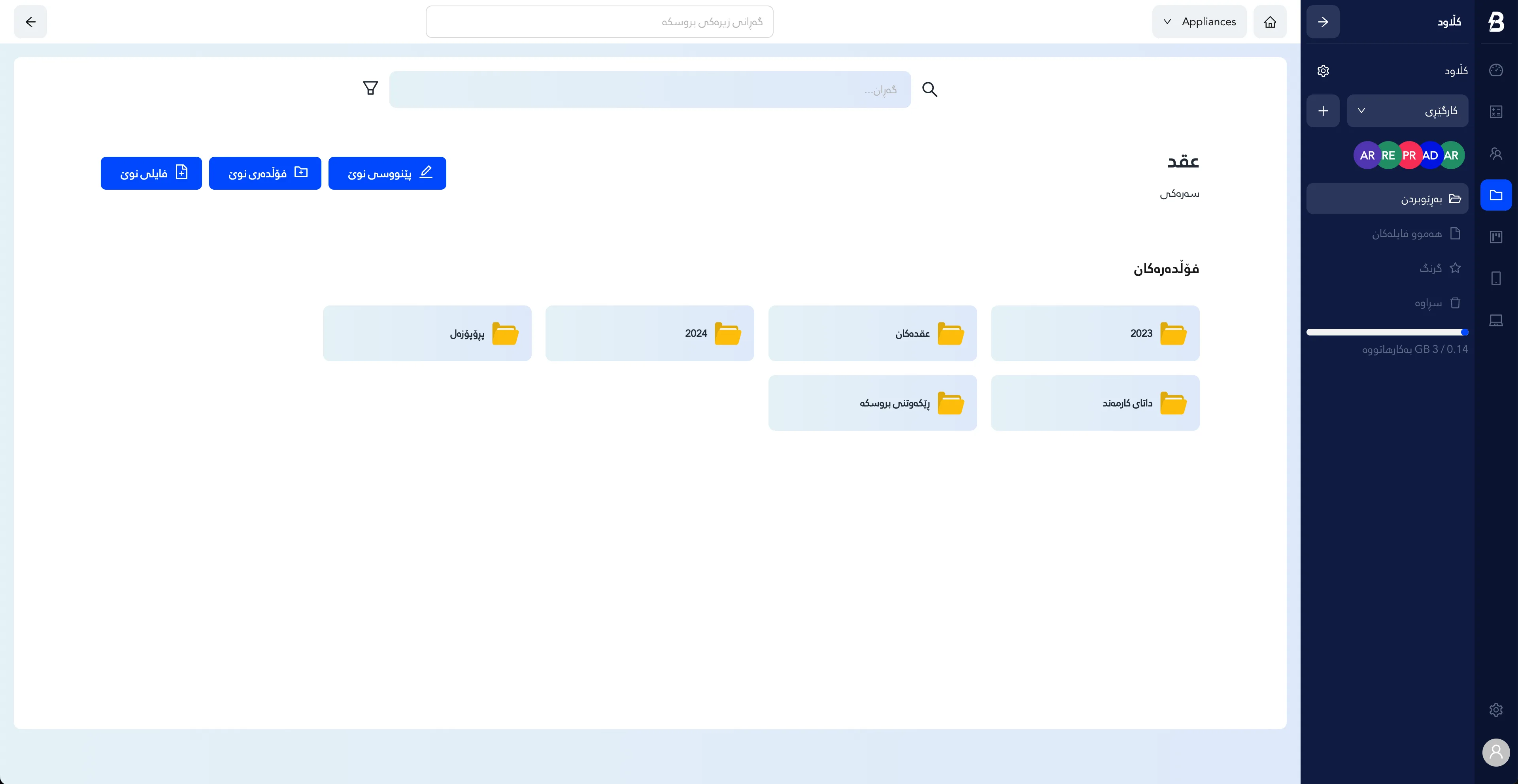
With Bruska ERP, businesses can monitor sales, inventory, accounting, and operations in real time from anywhere, manage field teams through GPS tracking and activity logs, and view the most important metrics through one connected platform.
Bruska helps owners stay close to the business without being trapped by the office.
Conclusion
Being in the office should be a choice, not a necessity.
If the business depends on your physical presence, it is not fully scalable yet.
But with the right systems, you gain control, reduce stress, free up time, and focus more on growth instead of daily firefighting.
 Bruska ERP
Run your business from anywhere
Book a demo with Bruska ERP and see how your business can stay connected, visible, and under control wherever you are.
more than 1,000 companies trust us












































More from Bruska
Continue reading

Operations
Why Most Businesses Fail to Scale (It’s an Operations Problem)
Learn why many businesses fail to scale even when sales are growing, and how better systems, visibility, and operational structure fix the real problem.
Read article
Operations
How to Manage Employees Efficiently Without Chaos
Learn how growing businesses can manage employees efficiently with clear roles, structured workflows, better visibility, and the right system.
Read article
Operations
How to Manage Suppliers and Purchase Orders Efficiently
Supplier and purchase order management affects stock, cash flow, and profitability. This guide explains how to build a more efficient purchasing process for growing businesses.
Read article