Not having an ERP system does not feel expensive.
There is no invoice, no obvious cost, and no single moment where you clearly say this is costing the business money.
But every day, the business loses time, money, and opportunities quietly in the background.
These are the hidden costs most businesses do not see until it is too late.
In this article, we break down what not having ERP really costs and why the impact is usually much bigger than it appears.
Key takeaways
- The cost of not having ERP is usually hidden inside wasted time, weak visibility, poor coordination, and missed opportunities.
- Manual systems may feel cheaper at first, but they often create more errors, slower decisions, and weaker scalability over time.
- ERP changes the operating model by reducing friction, improving control, and helping the business grow with more confidence.
What does not having ERP really mean?
In most businesses, not having ERP means relying on Excel spreadsheets, multiple disconnected tools, manual processes, and coordination through WhatsApp calls or phone messages.
On the surface, that setup can appear to work. But underneath, it creates inefficiency, loss, and a business that is harder to control every day.
1. Time lost on manual work
One of the biggest hidden costs is time. Teams spend hours on manual data entry, building reports, fixing mistakes, and repeating the same tasks again and again.
That time should be going toward higher-value work. Instead, it turns into lost productivity, slower operations, and a higher operational cost structure.
2. Costly human errors
Manual systems naturally create mistakes such as incorrect data, duplicate entries, and miscalculations.
Those mistakes do not stay small for long. They lead to financial inaccuracies, poor decisions, and customer-facing issues. Small errors often create much bigger consequences than they seem to at first.
3. Lack of real-time visibility
Without ERP, leaders often do not know what is happening in sales, inventory, or cash position right now. They only see the business through delayed reports or fragmented updates.
That creates delayed decisions, missed opportunities, and a reactive style of management. The business is always operating one step behind reality.
4. Poor inventory control
Weak systems usually create overstocking, stockouts, expired products, and inventory records that cannot be trusted fully.
That means cash gets trapped in inventory, sales are lost because products are unavailable, and direct financial losses grow through waste and poor stock control.
5. Missed sales opportunities
Not all lost sales are visible. Many businesses lose revenue because sales agents are not tracked, customers are not followed up properly, and some market areas do not get enough coverage.
Those missed opportunities often remain invisible, which is why they are especially dangerous. You do not only lose the sales you can see. You also lose the ones you never tracked properly.
6. Weak accountability
Without clear ownership, action tracking, and performance visibility, productivity usually drops over time.
Mistakes repeat, underperformance stays hidden longer, and internal inefficiency becomes part of daily operations. Accountability is hard to build when the system does not support it.
7. Disconnected departments
A common hidden cost is disconnection between teams. Sales may not know inventory status, accounting may be separate from operations, and departments may work in silos.
That causes miscommunication, delays, and conflicting data. When departments are disconnected, the entire business becomes harder to coordinate.
8. Slow and poor decision-making
When decisions depend on outdated reports or unreliable data, leadership is forced to guess more than it should.
That leads to missed opportunities, wrong strategic choices, and higher risk. Bad data usually creates bad decisions, even when the team is experienced.
9. Inability to scale
Perhaps the biggest hidden cost is that the business grows while the operating system stays weak.
That means every stage of growth creates more chaos, more errors, and greater operational strain. Instead of becoming an advantage, growth becomes a source of instability.
10. CEO burnout
This is the cost many businesses rarely talk about. When systems are weak, leaders end up following up constantly, staying involved in too many details, and losing trust in the business operating without them.
That creates stress, limits strategic thinking, and reduces freedom. The business becomes too dependent on the CEO’s constant presence.
The real cost when you add it up
Individually, these hidden costs can look small. But together they create lost time, lost money, lost opportunities, and slower growth.
Over time, the total impact can easily reach tens or even hundreds of thousands depending on the size and complexity of the business.
Why businesses delay ERP and why it is risky
Many businesses delay ERP because they believe they can implement it later, they are not big enough yet, or the current setup feels good enough.
The risk is that every month of delay continues to generate hidden losses. The longer the business waits, the more expensive the current inefficiency becomes.
What changes when you use ERP
With ERP, businesses eliminate a large amount of manual work, reduce errors, gain real-time visibility, connect departments, improve decision-making, and scale with more confidence.
The biggest shift is that the business moves from chaos and fragmentation toward control and coordinated execution.
How Bruska helps turn hidden losses into operational strength
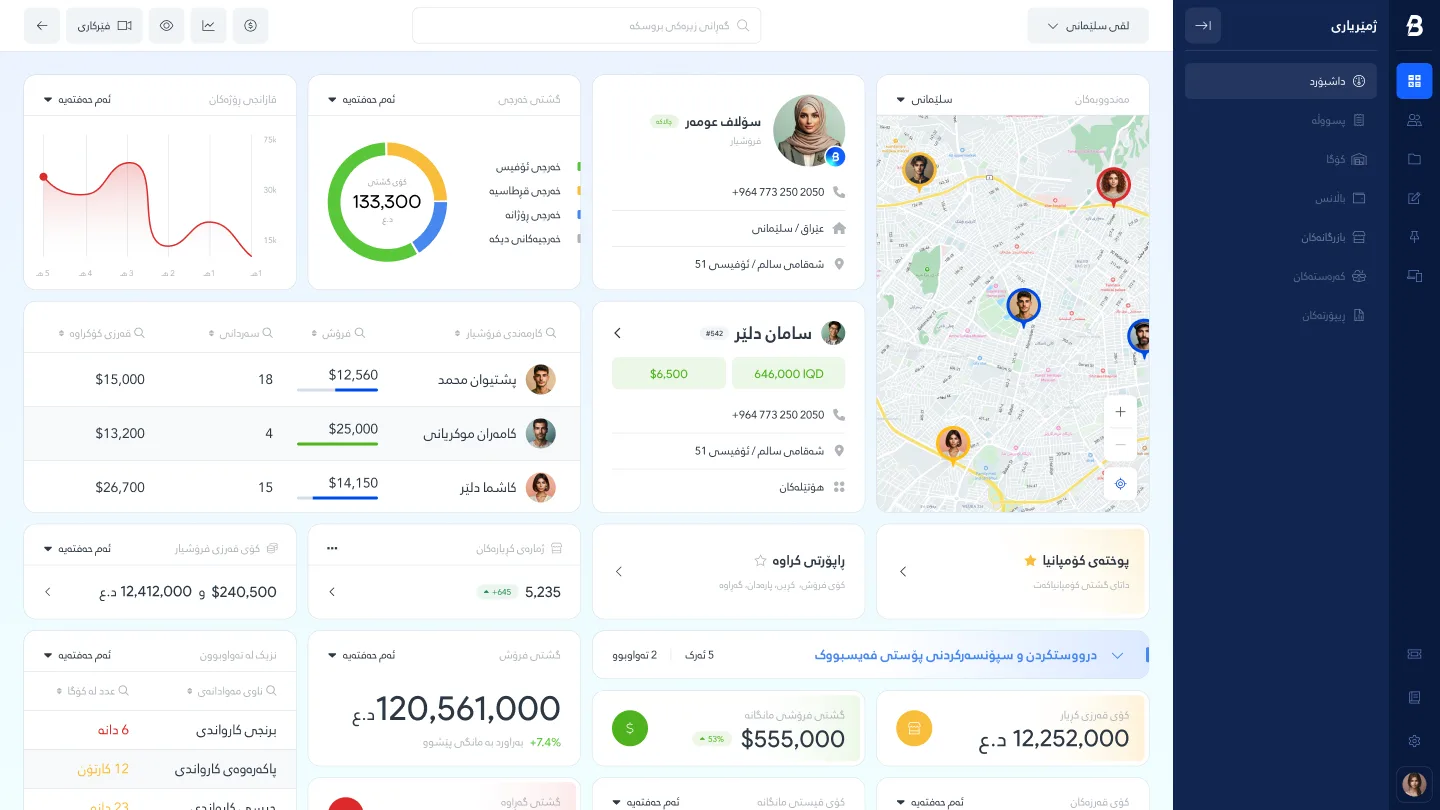
With Bruska ERP, businesses can connect sales, inventory, accounting, and teams in one system, track operations in real time, reduce errors, and make faster decisions based on connected data.
Bruska is designed to help FMCG and distribution businesses replace hidden inefficiencies with stronger structure and measurable growth.
Conclusion
Not having an ERP system is not a neutral choice.
It is a hidden cost that grows every day.
The real question is not whether the business can afford ERP. It is how much the current way of working is already costing in time, money, stress, and missed growth.
 Bruska ERP
Stop losing money to hidden inefficiencies
Book a demo with Bruska ERP and see how your business can replace manual work and disconnected tools with one connected system built for real growth.
more than 1,000 companies trust us








































More from Bruska
Continue reading

ERP
ERP Software for Iraqi FMCG Companies
Learn why Iraqi FMCG companies are adopting ERP software and what features matter most for distribution, inventory, finance, and field operations.
Read article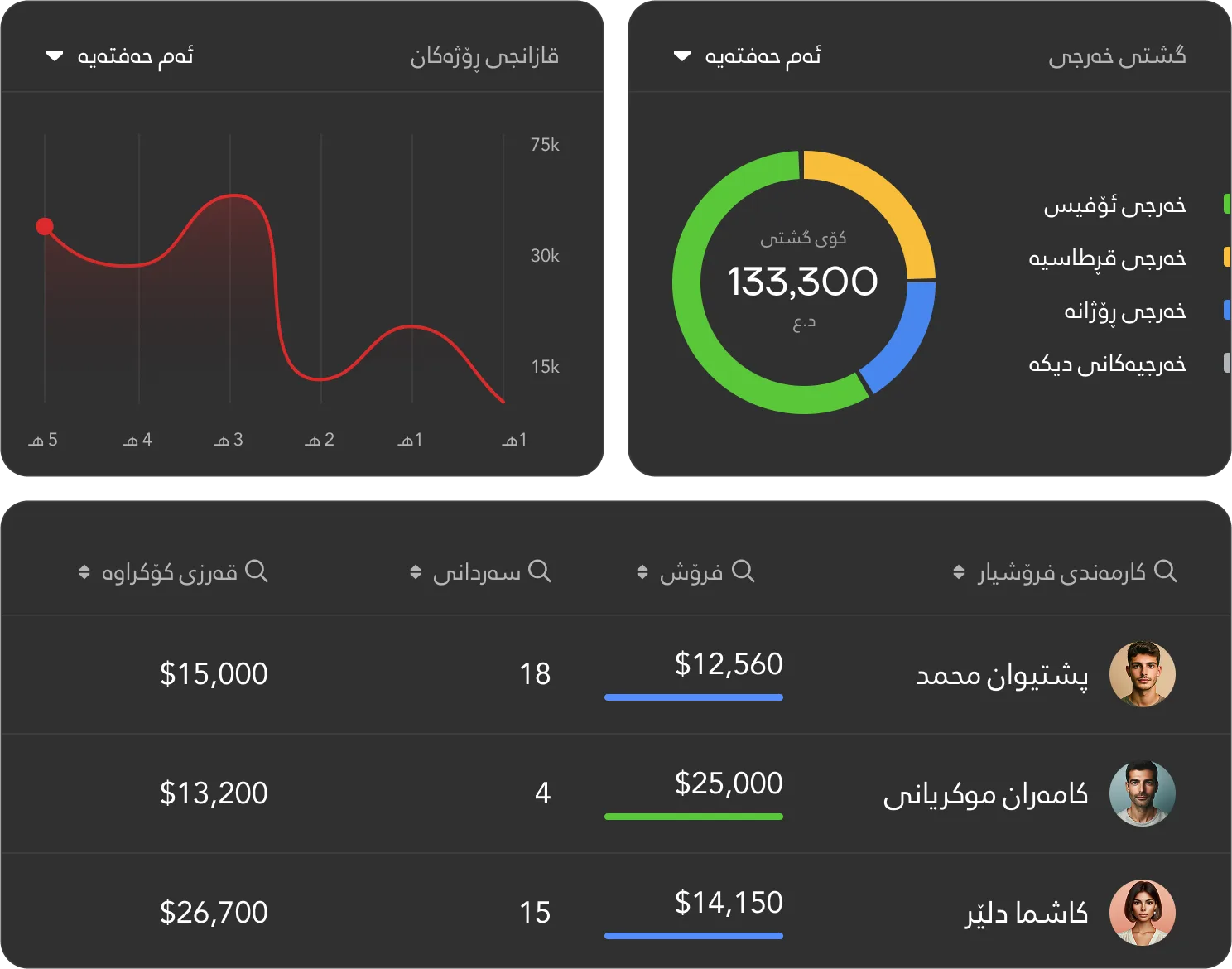
ERP
Best ERP Software in Kurdistan
Explore what makes the best ERP software in Kurdistan, what features matter most today, and why localized, modern systems are gaining traction.
Read article
ERP
ERP vs Accounting Software: What’s the Difference?
Learn the difference between ERP and accounting software, when accounting tools are enough, and when growing businesses need a full ERP system.
Read article