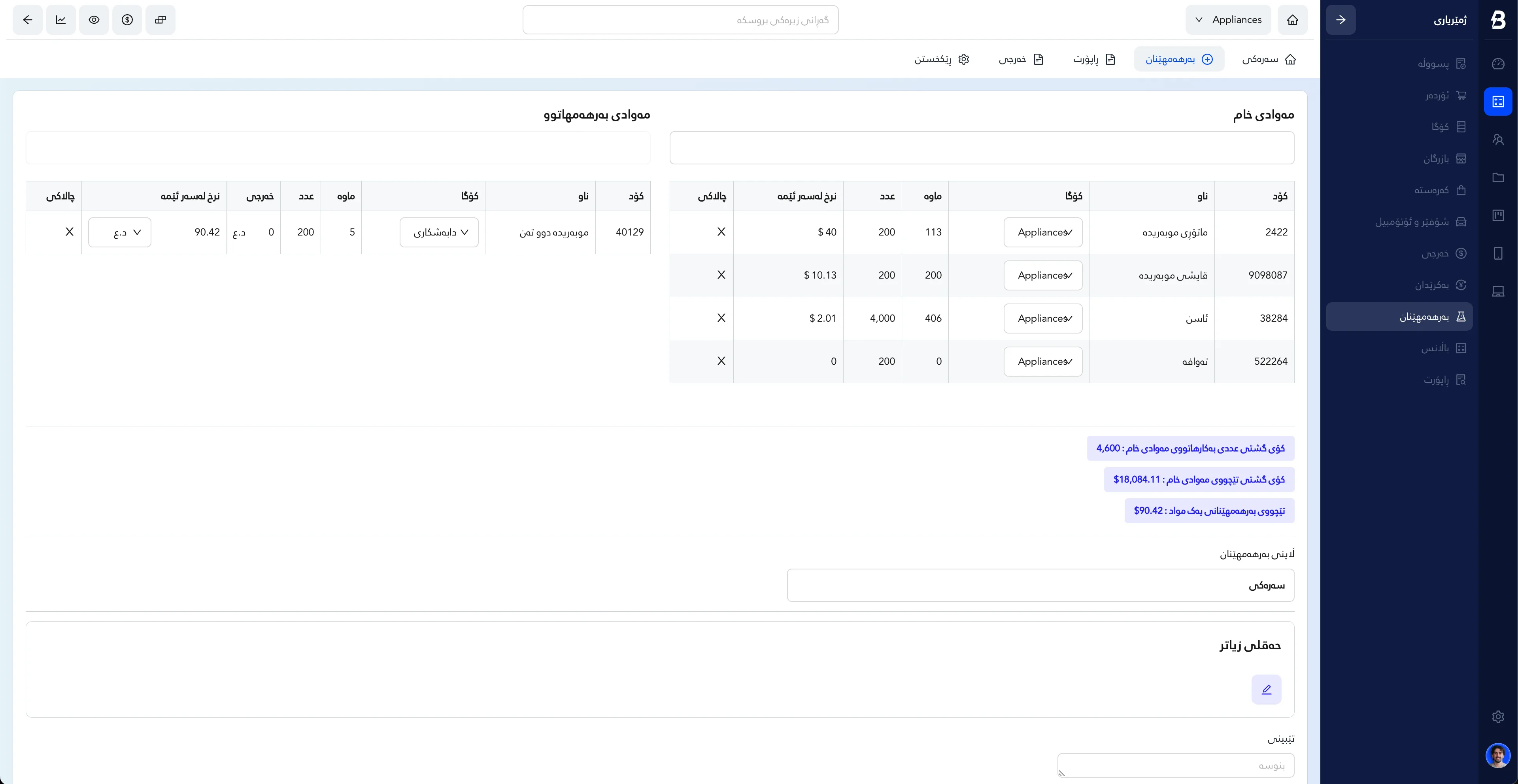
In FMCG businesses, inventory moves fast, but it also expires fast.
If you are not tracking batches and expiry dates properly, you are not only losing stock. You are losing money, customers, and control.
From food and beverages to cosmetics and pharmaceuticals, batch and expiry tracking is not optional. It is essential.
In this guide, we explain what it is, why it matters, and how to implement it effectively.
Key takeaways
- Batch and expiry tracking helps businesses reduce waste, improve stock rotation, and protect customer trust.
- Without strong tracking, FMCG companies risk financial loss, weak warehouse control, and poor sales decisions.
- The best results come when inventory, warehouse processes, and sales teams work from the same system.
What is batch and expiry tracking?
Batch tracking means grouping products based on details such as production date, supplier, or lot number. Each batch can then be identified and tracked separately inside the business.
Expiry tracking means knowing when those products will expire and which stock should be sold first. In FMCG, where shelf life matters, this visibility is critical.
Why batch and expiry tracking matters
Batch and expiry tracking matters because it protects both profit and operations. Without it, businesses lose visibility over which items are at risk, which batches are moving slowly, and what needs urgent action.
That lack of visibility quickly turns into waste, customer dissatisfaction, and weaker inventory decisions.
1. It prevents financial loss
When expiry is not tracked properly, products expire unnoticed and dead stock accumulates. Those losses often remain hidden until they become too large to ignore.
Good expiry control reduces that risk by showing which inventory needs attention before it becomes unsellable.
2. It protects your brand
Selling expired or near-expiry products can damage customer trust very quickly. Complaints, returns, and reputation loss often cost more than the product itself.
In FMCG, trust is difficult to rebuild once customers believe product quality is not being controlled well.
3. It improves inventory efficiency
When businesses know which batches are older, they can rotate inventory more intelligently and prioritize the right stock first.
That means the business sells smarter instead of only trying to sell faster.
4. It supports better decision-making
Batch and expiry data gives management useful insight into which products expire frequently, which batches move slowly, and where stock risk is growing.
That helps improve both purchasing and sales strategy.
5. It supports compliance when needed
In some sectors such as food and pharmaceuticals, batch and expiry control may be a compliance requirement, not just an operational preference.
Strong tracking helps businesses reduce legal and regulatory risk where those standards apply.
Common mistakes FMCG businesses make
Many businesses still treat all stock as identical, ignore expiry until it is too late, run poor warehouse practices that mix old and new stock, or fail to coordinate sales teams around near-expiry items.
These are not small process mistakes. They are direct causes of waste and lost cash.
How to implement batch and expiry tracking
The goal is not only to record batches. It is to make that information usable across warehousing, sales, and decision-making.
1. Assign batch numbers to all products
Every product group should have a unique batch identifier linked to the relevant details such as date and supplier. This is the foundation of all later tracking.
Without a unique batch reference, the system cannot distinguish one stock group from another meaningfully.
2. Record expiry dates accurately
For each batch, businesses need to store production date and expiry date accurately. If this information is incomplete or inconsistent, the entire tracking process becomes weaker.
Accurate input is what makes expiry management useful in practice.
3. Use FIFO, First In First Out
FIFO means older stock should be sold first. This is one of the simplest and most powerful ways to reduce expiry losses.
Without FIFO discipline, newer stock often moves first while older stock quietly becomes risky.
4. Organize warehouse storage properly
Warehouse layout matters. If older batches are hard to access or new stock blocks old stock, teams will struggle to rotate products correctly.
Physical organization is part of inventory control, not a separate issue.
5. Monitor expiry reports regularly
Businesses should always know which products are close to expiry and how much stock is at risk. This makes preventive action possible.
Regular expiry reporting helps move the business from reacting late to acting early.
6. Involve your sales team
Sales teams should not work blindly. They need to know which near-expiry products should be prioritized, which slow-moving batches need attention, and where stock risk exists.
When sales and inventory work together, at-risk stock is more likely to move before it becomes a loss.
7. Set alerts for expiry
Teams should not rely on memory for something this important. Systems should notify users before products expire and highlight critical stock automatically.
Alerts turn passive tracking into active prevention.
8. Track batch movement across warehouses
In multi-warehouse businesses, batch visibility should stay intact during transfers. Otherwise products become harder to trace the moment they move.
A strong system should show where each batch is, what moved, and when it changed location.
The real-world cost of poor tracking
Without batch and expiry control, businesses often deal with expired stock sitting unnoticed, customers receiving poor products, sales teams promoting the wrong items, and financial losses from dead inventory.
These issues rarely stay isolated. They compound across operations.
The benefits of proper batch and expiry tracking
When batch and expiry tracking is done well, businesses reduce waste, rotate stock better, improve customer satisfaction, support healthier cash flow, and gain stronger control over inventory risk.
That turns a difficult FMCG problem into a competitive advantage.
How Bruska helps FMCG businesses manage batch and expiry
With Bruska ERP, businesses can track products by batch and expiry date, monitor near-expiry stock in real time, apply FIFO more effectively, manage inventory across multiple warehouses, alert teams before stock expires, and help sales teams prioritize the right products.
That makes expiry control more practical, visible, and connected to daily operations.
Conclusion
In FMCG, time matters because products do not wait. If a business is not tracking batches and expiry properly, it is operating without enough visibility over one of its biggest operational risks.
With the right system and processes, that risk becomes something the business can control and even turn into an operational advantage.
 Bruska ERP
Manage batch and expiry the smart way
Book a demo with Bruska ERP and see how your business can control batch movement, expiry risk, and stock rotation with much more confidence.
more than 1,000 companies trust us













































More from Bruska
Continue reading

FMCG
Best Accounting System for FMCG Companies
FMCG businesses need more than basic bookkeeping. This guide explains what the best accounting system for FMCG companies should include and why ERP-based systems are the right fit.
Read article
ERP
ERP Software for Iraqi FMCG Companies
Learn why Iraqi FMCG companies are adopting ERP software and what features matter most for distribution, inventory, finance, and field operations.
Read article
Accounting
Best Accounting Software for Businesses in Iraq
Explore the best accounting software options for businesses in Iraq and learn what matters most in localization, usability, integration, and real-time financial control.
Read article