
Inventory loss is one of the most silent profit killers in any business.
It does not always show up immediately, but over time it can cost thousands in lost revenue, wasted stock, and operational chaos.
Whether it comes from theft, mismanagement, human error, or poor tracking, stock loss is almost always preventable.
In this guide, we break down how to prevent stock loss and theft using practical strategies and stronger systems, especially for FMCG and distribution businesses.
Key takeaways
- Most stock loss problems come from weak systems, poor tracking, and low accountability.
- Real-time inventory visibility and movement tracking reduce both theft and costly operational mistakes.
- The right controls help businesses protect inventory, reduce waste, and improve profit.
What causes stock loss?
Before solving it, it helps to understand the main causes of stock loss. Common problems include internal theft, poor tracking systems, uncontrolled stock movements, human error, and expiry or damage.
In many cases, these are not only criminal problems. They are systems problems. Weak controls create the conditions for inventory loss to happen.
1. Implement real-time inventory tracking
A major mistake is tracking stock manually or updating inventory only later. When stock data is delayed, missing items can go unnoticed and inventory visibility becomes unreliable.
Use real-time inventory tracking so every sale, purchase, and transfer updates stock automatically. You cannot protect stock well if you cannot see it clearly.
- Track inventory in real time.
- Update stock automatically with every transaction.
- Maintain accurate live stock visibility.
2. Control and track every stock movement
Stock should never move without a record. Informal processes such as moving goods without documentation create major blind spots.
Track goods received, goods dispatched, and transfers between warehouses, including who moved them, when it happened, and how much was moved.
- Log all stock received and dispatched.
- Track every transfer between locations.
- Record user, time, and quantity for each movement.
3. Assign responsibility
When no one is clearly responsible for stock, loss becomes much easier. Weak ownership leads to weak control.
Assign stock responsibility by warehouse or zone, track actions by user, and limit access according to role.
- Assign stock ownership by warehouse or role.
- Track inventory actions by user.
- Use role-based access instead of open access.
4. Perform regular stock audits
Even the best system still needs verification. If physical stock is never checked, hidden problems remain hidden.
Regular stock counts help compare physical inventory with system balances and expose discrepancies before they grow.
- Run periodic physical stock counts.
- Compare actual stock against system records.
- Investigate differences immediately.
5. Track stock by warehouse, zone, and location
Treating all stock as one shared pool makes it hard to identify where loss is happening. Businesses need visibility by warehouse, city, zone, or internal location.
Once high-risk areas become visible, the business can act faster and more accurately.
- Track inventory per warehouse.
- Monitor stock by city or distribution zone.
- Use location-based visibility to identify risk areas.
6. Monitor batch and expiry
Not all inventory loss is theft. In FMCG businesses, expiry and poor stock rotation create major losses too.
Track batch numbers, monitor expiry dates, and apply FIFO, First In First Out, to prevent avoidable waste before it happens.
7. Limit and control user permissions
Giving full access to too many users increases the risk of unauthorized changes, manipulation, and concealment of mistakes.
A stronger system defines roles clearly, restricts sensitive actions, and keeps logs of user activity.
- Define user roles clearly.
- Restrict sensitive inventory actions.
- Log user activity across the system.
8. Use technology for field and warehouse teams
Manual warehouse and field operations create blind spots. Teams need tools that let them update stock activity quickly and accurately while they work.
Mobile warehouse apps, simple interfaces, and real-time updates reduce both error and fraud risk.
9. Identify patterns and red flags
Stock loss is rarely random. It often follows patterns such as repeated adjustments, high losses in certain locations, or specific products going missing more often than others.
Reports and anomaly detection help businesses act early instead of discovering problems months later.
- Watch for frequent stock adjustments.
- Monitor high-loss locations.
- Investigate repeated product-level discrepancies.
10. Integrate inventory with sales and operations
Disconnected systems create operational gaps where stock loss becomes easier. If sales, delivery, and inventory are not connected, movements become harder to trace.
Integrated systems help track stock from warehouse to customer and reduce blind spots across operations.
Common mistakes that lead to stock loss
The most common causes are Excel-based tracking, weak audit routines, no user accountability, poor transfer control, ignored expiry risk, and lack of real-time visibility.
These are the operational habits that create loss long before anyone calls it theft.
The real cost of stock loss
Stock loss affects more than inventory. It reduces revenue, hurts margins, creates operational inefficiency, and weakens decision-making.
Small leaks create big business problems over time, especially when they are repeated daily or weekly without being detected.
How Bruska helps businesses reduce stock loss
With Bruska ERP, businesses can track every stock movement in real time, monitor warehouse activity with stronger accountability, manage inventory across multiple locations, and track batch and expiry data more effectively.
Bruska also supports warehouse and delivery operations through connected tools that reduce blind spots and help businesses act faster when issues appear.
Conclusion
Stock loss is not inevitable. In most cases, it is manageable.
With the right systems and processes, businesses can reduce theft, eliminate many operational errors, improve accountability, and protect profit.
Better control leads to stronger confidence in the business.
 Bruska ERP
Protect your inventory with the right system
Book a demo with Bruska ERP and see how your business can track inventory movements, reduce losses, and gain stronger control across warehouses and operations.
more than 1,000 companies trust us













































More from Bruska
Continue reading

Inventory
Inventory Management Mistakes That Cost Businesses Thousands
Inventory mistakes quietly damage profits through waste, stockouts, and bad decisions. This guide explains the most common inventory management mistakes and how to fix them.
Read article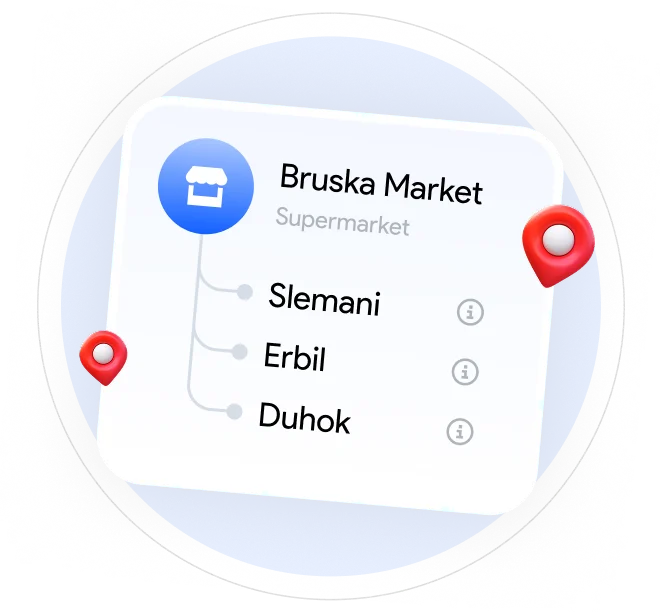
Inventory
How to Track Stock in Multiple Warehouses
Managing stock across multiple warehouses requires more than spreadsheets and phone calls. This guide explains how to track inventory across locations with control and visibility.
Read article
Inventory
What is Inventory Turnover and Why It Matters
Inventory turnover shows how quickly your business sells and replaces stock. This guide explains how to calculate it, why it matters, and how to improve it.
Read article