Accounting
Top 10 Accounting Mistakes Businesses Make (And How to Fix Them)
Many businesses struggle with basic accounting discipline. These common mistakes hurt cash flow, reporting, and decision-making, but each one can be fixed with better systems and routines.

Running a business is hard enough, poor accounting should not make it harder.
Yet many companies, especially growing ones, struggle with basic financial management. These mistakes do not just create confusion. They can lead to cash flow problems, weak decisions, missed opportunities, and in some cases serious business risk.
In this article, we break down ten of the most common accounting mistakes businesses make and, more importantly, how to fix them.
Key takeaways
- Small accounting mistakes often turn into larger cash flow and reporting problems over time.
- Most accounting issues come from inconsistent processes, delayed follow-up, and disconnected tools.
- Clear routines and modern accounting systems help businesses reduce errors and make better decisions.
1. Mixing personal and business finances
One of the most common mistakes in small and growing businesses is using the same bank account for both personal and business expenses. It may feel convenient in the short term, but it creates confusion very quickly.
When personal and business transactions are mixed together, reports become unreliable, expense tracking becomes harder, and the company loses financial clarity. In some cases, it can also create legal or tax complications.
- Open a dedicated business bank account.
- Separate all personal and business transactions clearly.
- Use accounting software to categorize expenses properly.
2. Not tracking expenses properly
Businesses often focus on large costs while forgetting smaller everyday expenses. Over time, inconsistent tracking creates blind spots in the company’s financial picture.
When expenses are missing or poorly recorded, it becomes harder to understand profitability, control spending, and claim legitimate deductions.
- Record expenses daily or weekly.
- Digitize receipts instead of relying on paper.
- Use one centralized system to log all expenses.
3. Poor cash flow management
Many business owners focus on profit while paying too little attention to actual cash movement. A business can appear profitable on paper and still face serious cash shortages in practice.
Without cash flow discipline, payroll, supplier payments, and daily operations can quickly come under pressure.
- Track cash flow regularly, not only profit.
- Monitor incoming versus outgoing payments.
- Forecast your cash position every month.
4. Ignoring accounts receivable
Unpaid customer invoices are one of the most overlooked sources of cash flow pressure. When businesses do not follow up consistently, collections slow down and working capital weakens.
Late payments hurt more than accounting reports. They directly affect growth, purchasing power, and operational flexibility.
- Set clear payment terms from the start.
- Send reminders automatically when invoices become overdue.
- Track outstanding invoices in real time.
5. Ignoring accounts payable
Some businesses track what customers owe them but fail to manage what they owe suppliers with the same discipline. This creates avoidable stress and payment surprises.
Poor payables management can lead to late fees, damaged supplier relationships, and unexpected pressure on cash reserves.
- Maintain a clear schedule of supplier payments.
- Prioritize payables based on due dates and business urgency.
- Keep supplier records and obligations organized.
6. Relying too much on Excel
Spreadsheets are flexible, but they are not a complete accounting system. As businesses grow, Excel-based accounting becomes more fragile, more manual, and more error-prone.
Version confusion, formula mistakes, missing entries, and poor visibility make spreadsheets difficult to scale.
- Move from spreadsheets to an accounting or ERP system.
- Automate calculations and recurring reporting.
- Reduce manual data entry wherever possible.
7. Not reconciling accounts
If your records are not regularly compared with bank statements, payment records, and other source documents, errors can remain hidden for a long time.
Reconciliation is one of the simplest ways to catch mistakes, missing transactions, and suspicious activity before they become larger problems.
- Reconcile bank and key accounts monthly.
- Match transactions against bank records and supporting documents.
- Investigate discrepancies immediately.
8. Lack of real-time financial data
Many businesses make decisions using reports that are already outdated. By the time management sees the numbers, the situation on the ground has already changed.
That delay creates reactive decision-making. Businesses need timely financial visibility to manage spending, pricing, stock, and growth with confidence.
- Use systems that update data in real time.
- Review dashboards regularly.
- Track key metrics like revenue, expenses, and profit consistently.
9. No clear financial reports
Some companies record transactions but still fail to produce useful financial reports. Without clear reports, owners and managers do not fully understand business performance.
Profit and loss, cash flow, expenses, and trend analysis are not optional. They are core tools for running the business well.
- Generate monthly financial reports.
- Review profit, expenses, and performance trends.
- Use reports to support real business decisions.
10. Delaying accounting tasks
When accounting is postponed until the end of the month or year, mistakes accumulate. Missing entries, rushed corrections, and weak visibility become normal.
Accounting works best as an ongoing routine, not as a stressful cleanup exercise after problems have already built up.
- Turn accounting into a weekly routine.
- Update records frequently.
- Automate repetitive tasks whenever possible.
Why modern businesses move toward integrated accounting systems
Accounting is not only about compliance. It is about control, clarity, and growth. The more accurate and real-time your financial data is, the better decisions you can make as a business leader.
That is why modern companies are moving away from manual processes and spreadsheet-heavy workflows toward integrated systems that manage accounting, sales, inventory, and operations in one place.
How Bruska helps businesses fix accounting chaos
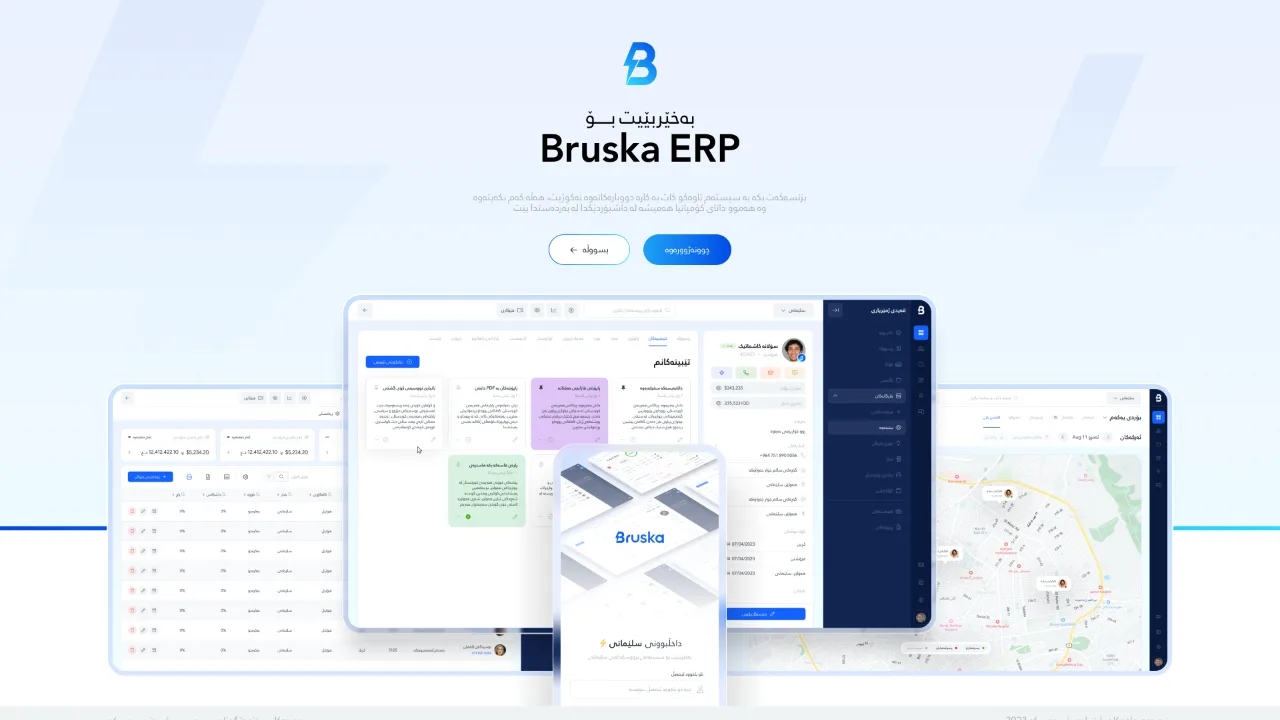
With Bruska ERP, businesses can track finances in real time, manage invoices and payments more efficiently, generate clear financial reports quickly, and reduce human error across daily accounting work.
Instead of depending on disconnected tools and manual follow-up, teams can work from one connected system built for visibility and operational discipline.
Conclusion
Accounting mistakes are common, but they do not have to become permanent habits. With the right routines, better visibility, and stronger systems, businesses can reduce risk, improve decision-making, and build healthier operations.
If you are tired of spreadsheets and manual work, it may be time to upgrade the way your business handles accounting.
 Bruska ERP
Want to fix your accounting system?
Book a demo with Bruska ERP and see how your business can simplify accounting, reduce manual work, and grow with better financial control.
more than 1,000 companies trust us













































More from Bruska
Continue reading
Accounting
Best Accounting Software for Businesses in Iraq
Explore the best accounting software options for businesses in Iraq and learn what matters most in localization, usability, integration, and real-time financial control.
Read article
Accounting
How to Track Accounts Payable and Receivable Properly
Tracking money coming in and going out is essential for healthy cash flow. This guide explains how to manage accounts payable and receivable in a way that supports growth and reduces stress.
Read article
Accounting
What is Accounting Software and Why Your Business Needs It
Accounting software helps businesses track, manage, and understand finances in one system. This guide explains how it works and why it becomes essential as a business grows.
Read article