
Managing finances is one of the most important parts of running a successful business. But for many companies, accounting is still handled manually using spreadsheets, notebooks, or disconnected tools.
That approach may work in the beginning, but as your business grows, it quickly becomes a problem.
In this article, we explain what accounting software is, how it works, and why your business needs it.
Key takeaways
- Accounting software replaces slow manual work with a more accurate and organized financial system.
- Real-time visibility helps businesses make better decisions and manage cash flow with more confidence.
- As complexity grows, accounting software becomes essential for control, efficiency, and scale.
What is accounting software?
Accounting software is a digital tool that helps businesses record, track, and manage financial transactions in one centralized system.
Instead of manually calculating numbers or tracking invoices in Excel, accounting software automates and organizes that work for you. It typically includes invoice creation and tracking, expense management, accounts payable and receivable, financial reporting, and bank and cash tracking.
In simple terms, it replaces manual accounting with a faster and more accurate system.
How does accounting software work?
Accounting software works by recording each financial activity in your business and organizing it automatically. The system connects those activities so your numbers stay up to date across the whole workflow.
For example, when you create an invoice it records revenue. When you pay a supplier it records an expense. When cash moves it updates balances. Because everything is connected, you have real-time visibility into your finances instead of fragmented updates.
Why your business needs accounting software
If your business is still relying on manual methods, you are likely spending more time, taking on more risk, and operating with less visibility than necessary.
The value of accounting software is not only in recording numbers. It helps leaders understand the business better, make decisions faster, and reduce operational friction.
1. Accurate financial data
Manual accounting often leads to missed entries, wrong calculations, and duplicated records. Those errors make reports unreliable and weaken confidence in the numbers.
With accounting software, calculations are automated, data stays more consistent, and the chance of error is reduced significantly.
- Automated calculations improve accuracy.
- Consistent records reduce confusion.
- Fewer manual errors make reports more trustworthy.
2. Real-time visibility
Without software, many businesses do not know exactly how much cash they have, who owes them money, or what expenses are coming soon.
Accounting software gives you live dashboards, updated reports, and instant financial insight so you always know where the business stands.
- See cash position more clearly.
- Track receivables and payables more easily.
- Use current data instead of outdated summaries.
3. Better cash flow management
Cash flow is the lifeline of any business. Profit alone is not enough if the company cannot manage timing, collections, and upcoming obligations.
Accounting software helps track incoming and outgoing cash, monitor unpaid invoices, and plan future payments so shortages become easier to prevent.
- Track money in and money out more closely.
- Monitor overdue invoices.
- Plan payments before they become urgent.
4. Faster and smarter decision-making
Clear financial data leads to better business decisions. When reports are easy to access and easy to trust, leaders can analyze profit and loss, spot trends, and respond more quickly.
That shifts the business from reactive decision-making to proactive management.
- Review profits and losses with confidence.
- Identify patterns and trends earlier.
- Make decisions based on real data instead of guesswork.
5. Time savings and efficiency
Manual accounting can take hours or even days every month. Teams spend time repeating tasks, preparing reports manually, and searching for missing information.
With accounting software, many of those tasks are automated and reports can be generated much faster. That gives teams more time to focus on growth instead of paperwork.
- Automate repetitive accounting tasks.
- Generate reports instantly.
- Reduce time spent on manual entry and follow-up.
6. Scalability as you grow
What works for a very small business usually stops working as transactions, employees, and operational complexity increase.
Accounting software grows with the business by keeping financial information organized even as volume and risk increase.
- Handle more transactions without losing control.
- Support more complex operations and teams.
- Create a system that scales with the company.
7. Improved organization
Manual processes often lead to lost invoices, missing records, and confusing spreadsheets. That lack of structure slows the whole business down.
With accounting software, financial records are stored in one place and are easier to search, review, and manage.
- Keep invoices and records organized.
- Reduce missing information.
- Access financial documents more easily.
8. Stronger financial control
When financial activity is visible and traceable, management gains stronger control. That includes the ability to review transactions, monitor team activity, and detect issues earlier.
Clear control reduces the risk of fraud, mistakes, and operational surprises.
- Track every transaction more clearly.
- Monitor financial activity across the business.
- Reduce errors and suspicious behavior.
Accounting software vs Excel
Many businesses rely on Excel because it is familiar and flexible. But Excel has limits. It depends on manual entry, carries higher error risk, does not provide real-time updates, and becomes harder to manage as the company grows.
Excel is a useful tool, but accounting software is a real operating system for financial management.
Who needs accounting software?
Small businesses trying to stay organized benefit from it. Growing companies with more transactions benefit from it. FMCG businesses managing sales and inventory benefit from it. Businesses with multiple employees or departments benefit from it.
If your business deals with money, and every business does, then accounting software is relevant to you.
When should you start using it?
The best time to start is as early as possible. But it becomes especially important when you are losing track of finances, spending too much time on accounting, making decisions without clear data, or growing faster than your current process can handle.
The earlier a business adopts proper financial systems, the easier it becomes to grow with discipline.
How Bruska helps simplify accounting
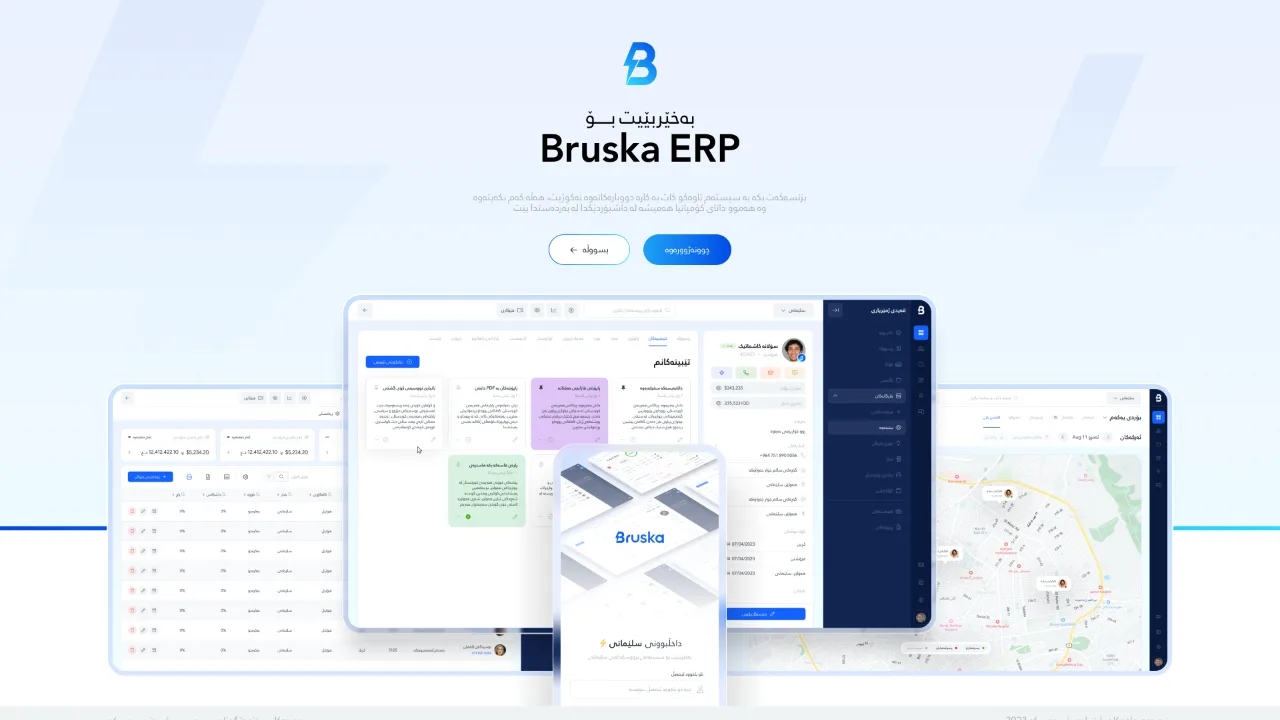
With Bruska ERP, businesses can manage accounting, sales, and inventory in one connected system. Teams get real-time financial insight, automated invoices and expense workflows, and clearer reporting without relying on disconnected tools.
That means accounting becomes simpler, more structured, and more useful for day-to-day decision-making.
Conclusion
Accounting software is no longer optional for businesses that want control, visibility, and sustainable growth. It is not just about tracking numbers. It is about understanding the business, making smarter decisions, and building a stronger financial foundation.
Businesses that adopt proper systems early tend to grow faster and operate more efficiently.
 Bruska ERP
Take control of your business finances
Book a demo with Bruska ERP and see how accounting, sales, and inventory can work together in one clear and powerful system.
more than 1,000 companies trust us











































More from Bruska
Continue reading
Accounting
Best Accounting Software for Businesses in Iraq
Explore the best accounting software options for businesses in Iraq and learn what matters most in localization, usability, integration, and real-time financial control.
Read article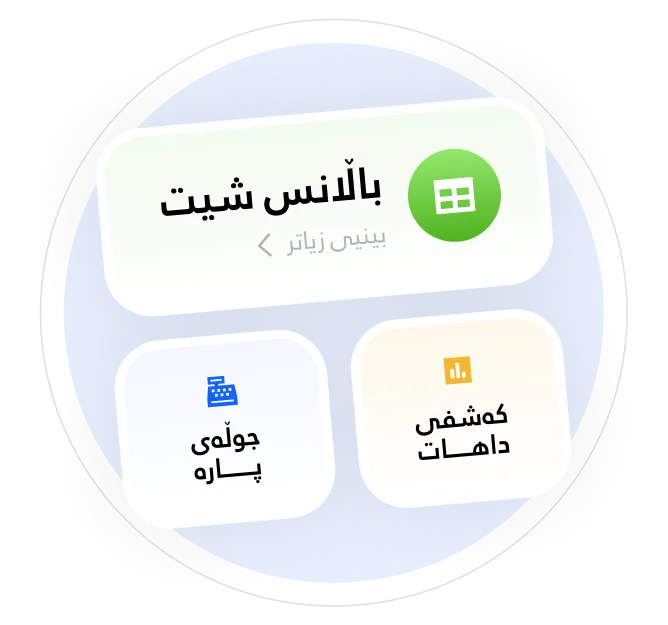
Accounting
Top 10 Accounting Mistakes Businesses Make (And How to Fix Them)
Many businesses struggle with basic accounting discipline. These common mistakes hurt cash flow, reporting, and decision-making, but each one can be fixed with better systems and routines.
Read article
Accounting
How to Track Accounts Payable and Receivable Properly
Tracking money coming in and going out is essential for healthy cash flow. This guide explains how to manage accounts payable and receivable in a way that supports growth and reduces stress.
Read article