As businesses grow, managing operations becomes more complex.
You start dealing with sales, accounting, inventory, employees, and suppliers, and these are often managed through different tools, spreadsheets, or even manual processes.
That leads to confusion, errors, and lack of control.
This is where ERP software comes in.
In this complete guide, we explain what ERP software is, how it works, its key benefits, when your business needs it, and how to choose the right ERP system.
Key takeaways
- ERP software connects core business functions through one centralized system.
- The biggest value of ERP is real-time visibility, stronger control, and less operational fragmentation.
- The right ERP is not just powerful, it is usable, scalable, and aligned with your business model.
What is ERP software?
ERP stands for Enterprise Resource Planning. ERP software is a system that helps businesses manage core operations through one centralized platform.
Instead of using separate tools for each department, ERP connects everything into one system. A useful way to think about it is this: ERP becomes the operational brain of the business.
What does ERP software do?
ERP software integrates and manages major areas such as accounting and finance, sales and CRM, inventory and warehouses, purchasing and suppliers, HR, and operations.
Because data flows into one connected platform, businesses gain real-time visibility, better control, and faster decision-making across departments.
How ERP software works
ERP systems work by connecting departments through a shared database. That means one action in the business can automatically update multiple parts of the system.
For example, when a sale is made, inventory updates automatically. When inventory decreases, accounting can reflect cost of goods. When payment is received, financial reports update. Everything stays connected and updated in real time.
Why businesses use ERP software
Businesses adopt ERP because disconnected tools eventually become a management problem. As complexity grows, separate spreadsheets and separate systems slow teams down and create unreliable information.
ERP gives the business a more structured operating model that can support scale.
1. Centralized data
ERP replaces multiple spreadsheets, disconnected systems, and conflicting information with one source of truth.
That means teams spend less time reconciling different numbers and more time acting on shared data.
2. Real-time visibility
With ERP, businesses can see sales, inventory, and financial position more quickly. Instead of waiting for delayed reporting, management can monitor operations as they happen.
That speed matters because better timing usually leads to better decisions.
3. Improved efficiency
ERP systems automate repetitive tasks, reduce manual work, and eliminate duplication between departments.
That improves operational efficiency while also reducing error risk.
4. Better decision-making
With more accurate and connected data, businesses can analyze performance, identify problems earlier, and plan growth more effectively.
ERP makes data-driven decisions easier because the information is clearer and easier to trust.
5. Scalability
As businesses grow, transactions increase, teams get larger, and operations become more complex. What worked in the early stage often stops working later.
ERP systems help businesses scale by keeping that growing complexity inside a more organized framework.
Key ERP modules explained
Most ERP platforms bring together several core modules. Common examples include accounting and finance, sales and CRM, inventory and warehousing, purchasing and suppliers, and HR and operations.
The exact mix matters because businesses often need some modules more deeply than others depending on their industry and operating model.
Accounting and finance
ERP helps businesses track revenue and expenses, manage payables and receivables, and generate financial reports from one connected system.
This gives finance teams better visibility and makes reporting more reliable.
Sales and CRM
Sales and CRM modules help businesses manage customers, track performance, and monitor sales activity more systematically.
This is especially useful when businesses depend on field sales teams or structured pipelines.
Inventory and warehousing
Inventory modules support real-time stock visibility, warehouse management, and product movement tracking.
For product-based businesses, this is one of the most important ERP capabilities because inventory and operations are tightly linked.
Purchasing and suppliers
Purchasing modules help manage purchase orders, supplier relationships, incoming stock, and procurement control.
That gives businesses stronger visibility into what they are ordering, from whom, and under what conditions.
HR and operations
HR and operations modules support employee management, attendance, payroll, and internal process control.
These areas often become more important as the business grows and coordination becomes more difficult.
ERP versus traditional systems
Traditional tools usually mean separate systems, manual processes, delayed reports, higher error risk, and lower scalability. ERP replaces that fragmentation with integrated workflows, automation, real-time data, and better structure.
That is why ERP is often the point where a business moves from operational chaos to operational discipline.
Who needs ERP software?
ERP is not only for very large companies. A business needs ERP when it is using multiple disconnected tools, losing control over operations, lacking real-time visibility, or growing into more complexity than its current setup can handle.
If operations already feel messy, ERP is usually worth serious consideration.
When should you implement ERP?
The best time to implement ERP is before operational complexity gets out of control. Businesses often wait too long and only react when reporting delays, inventory issues, and cross-department confusion become painful.
Frequent errors, delayed reports, poor communication between departments, and difficulty managing inventory or sales are all strong signals that the time has come.
Types of ERP systems
ERP systems generally fall into a few broad categories. Basic ERP systems offer simpler functionality. Industry-specific ERP systems are designed for verticals like FMCG and include more specialized workflows. Enterprise ERP systems tend to be highly complex and customizable for large corporations.
Choosing among these depends on what level of complexity and specialization your business truly needs.
How to choose the right ERP system
When choosing ERP, businesses should look for ease of use, implementation speed, cost efficiency, industry-specific functionality, scalability, and local support.
The best ERP is not just the one with the longest feature list. It is the one the team will actually adopt and use effectively every day.
Common ERP implementation mistakes
Businesses often make mistakes such as choosing systems that are too complex, ignoring user experience, underestimating training and onboarding, or trying to install software without clear processes behind it.
A system is only as strong as its adoption. If teams do not use it well, the investment loses value.
How Bruska helps businesses simplify ERP adoption
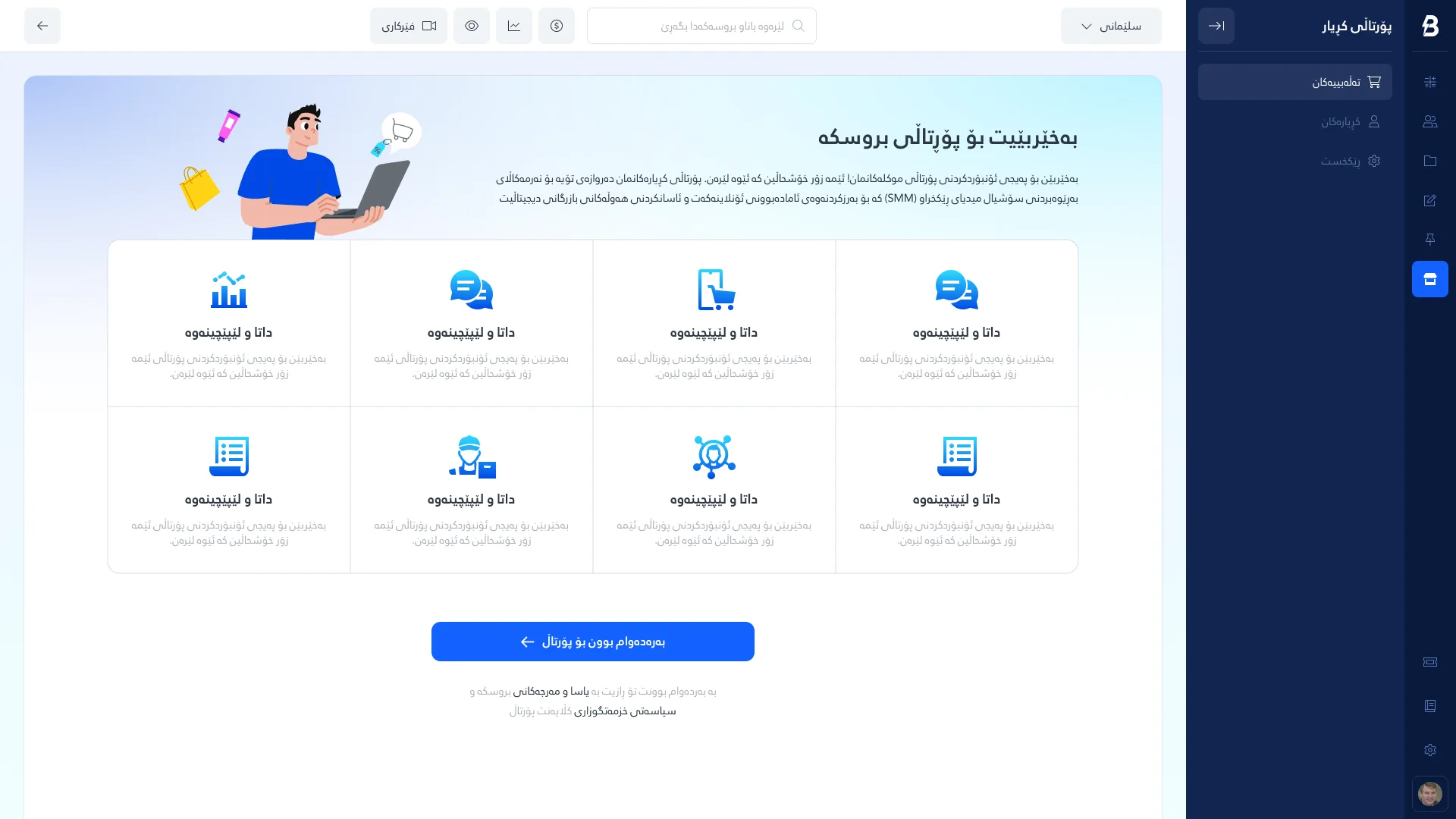
With Bruska ERP, businesses can manage accounting, sales, inventory, and operations in one system, track operations in real time, use strong tools for FMCG and distribution, manage sales agents, warehouses, and deliveries, and work in Kurdish, Arabic, and English.
Bruska is built to combine operational depth with practical usability so teams can start seeing value faster without getting trapped in unnecessary complexity.
Conclusion
ERP software is no longer a luxury for growing businesses. It is a necessity for companies that want control, visibility, efficiency, and scalable growth. Businesses that adopt proper systems early usually operate smarter and grow faster.
The real goal of ERP is not just software consolidation. It is building a stronger operating system for the business itself.
 Bruska ERP
Simplify your business with the right ERP
Book a demo with Bruska ERP and see how your business can manage accounting, sales, inventory, and operations through one connected system.
more than 1,000 companies trust us




































More from Bruska
Continue reading

ERP
ERP Software for Iraqi FMCG Companies
Learn why Iraqi FMCG companies are adopting ERP software and what features matter most for distribution, inventory, finance, and field operations.
Read article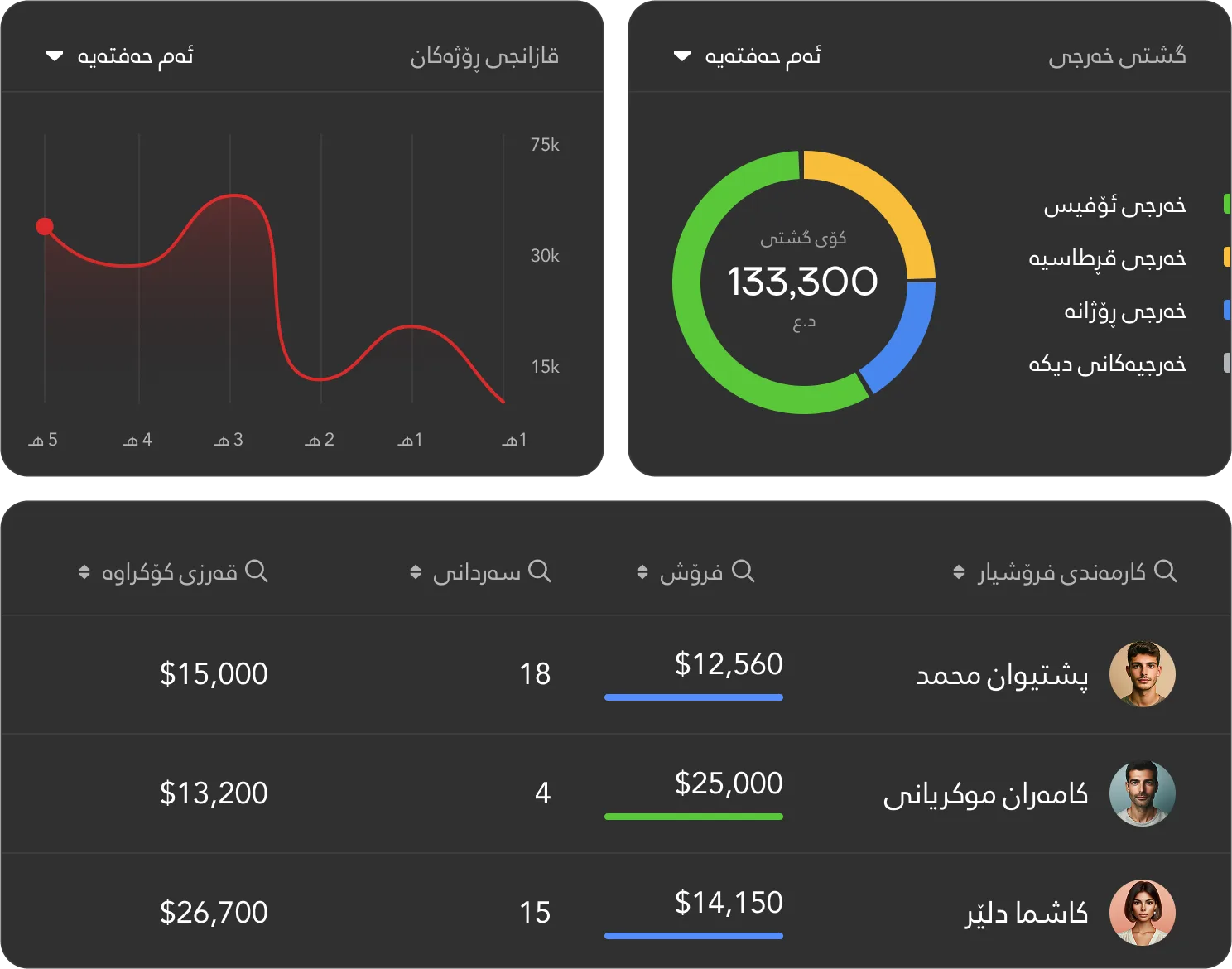
ERP
Best ERP Software in Kurdistan
Explore what makes the best ERP software in Kurdistan, what features matter most today, and why localized, modern systems are gaining traction.
Read article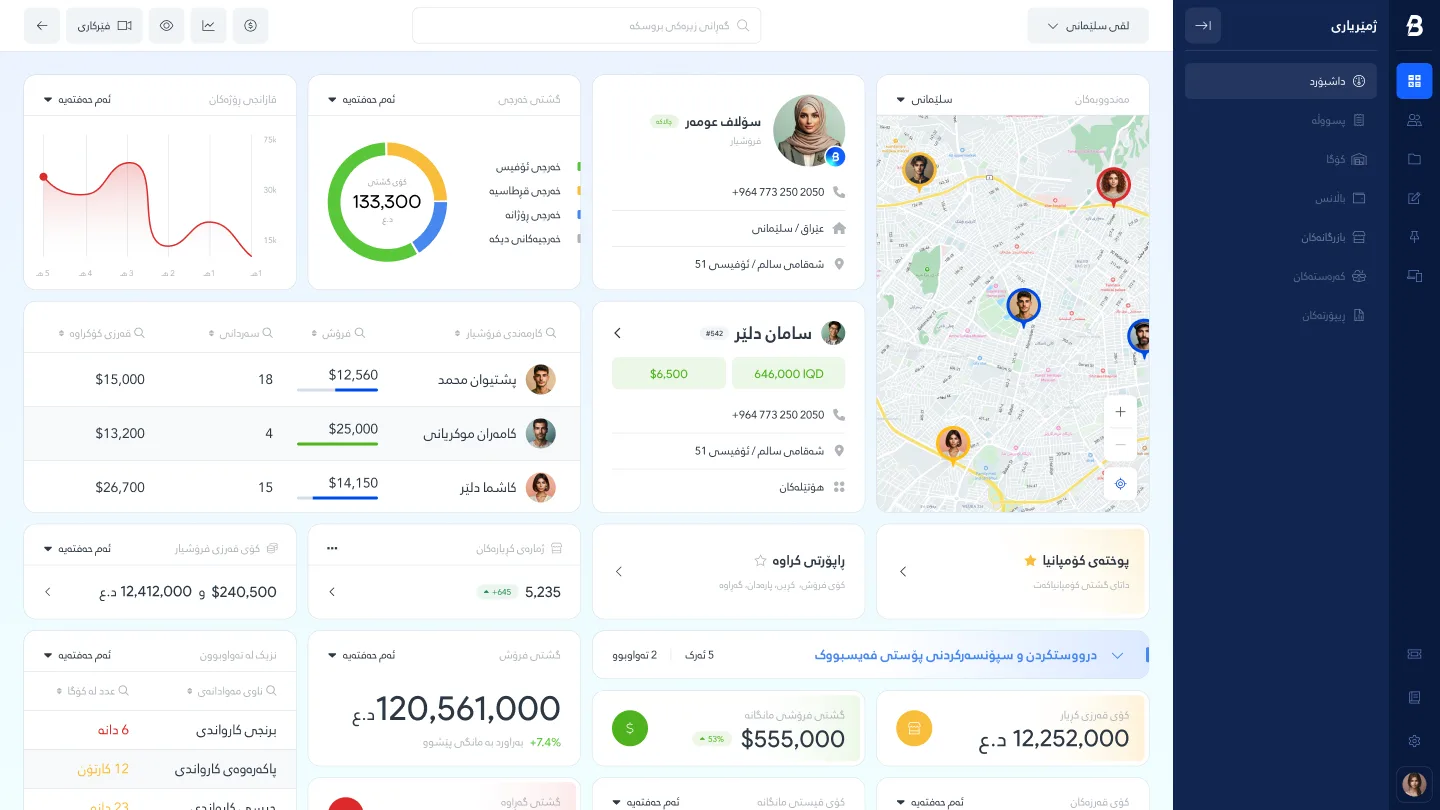
ERP
The Hidden Cost of Not Having an ERP System
Learn the hidden costs of running a business without ERP, from manual work and poor visibility to weak scalability, missed sales, and leadership burnout.
Read article